 Save
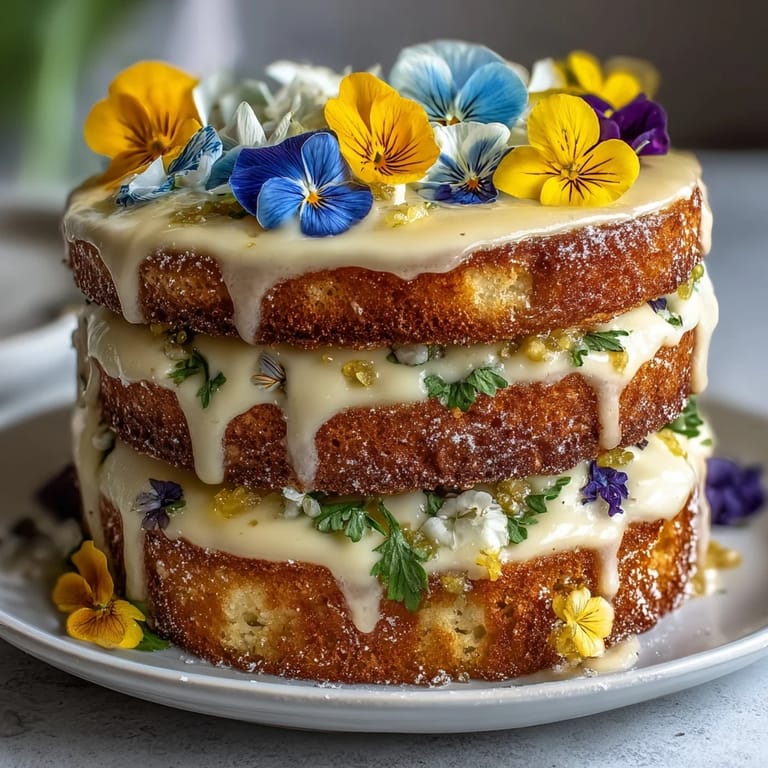
Save There was a Saturday in mid-April when my kitchen became a laboratory of colors and citrus scents. The windows were thrown open to let in the gentle spring breeze, and the lemon zest mingled with the aroma of butter, making everything feel lighter. Pressed edible flowers, scattered across my counter, almost felt too pretty to touch, and I spent a moment just admiring how pansies and violets transformed the cake into something lively. That day, I wasn't in a rush – it was simply about giving each element its moment. I love that a cake can feel like a celebration of the season itself.
I once made this cake for a friend’s spring birthday, and just assembling the layers felt like piecing together a memory. We laughed about the lemon curd escaping from the edges while sipping tea, and her delighted reaction to the pressed flowers is still vivid. The cake was gone in minutes, but the photos lingered in group chats for weeks. It's a recipe that invites people to gather around and notice the little things. No one left without asking how to make the lemon curd so silky.
Ingredients
- Unsalted butter: Softened butter makes for a light, tender sponge; always bring it to room temperature for easier creaming.
- Granulated sugar: Whipping it with butter traps air and sets the cake’s structure; don’t rush this step.
- Eggs: Room temperature eggs blend smoothly; crack them separately, just in case.
- Vanilla extract: Nothing beats real vanilla’s floral warmth, especially for balancing lemon zest.
- All-purpose flour: Sift it for feather-light cake layers; no lumps sneaking in.
- Baking powder: Measure carefully to avoid an overly domed top or sunken middle.
- Sea salt: Fine salt means subtle seasoning, so the cake never tastes flat.
- Whole milk: The creaminess rounds out flavors, and it helps the crumb stay moist.
- Lemon zest: Wash your lemon first and grate just the outer peel for a punchy aroma.
- Fresh lemon juice: Choose ripe lemons for sweetness; it makes the curd luscious and bright.
- Powdered sugar: Dissolves seamlessly in whipped cream, leaving the topping cloud-like.
- Heavy cream: Chill everything for the fluffiest results—warm cream won’t whip right.
- Pressed edible flowers: Pansies, violets, nasturtiums, or organic rose petals all work; always confirm they’re pesticide-free.
Tired of Takeout? 🥡
Get 10 meals you can make faster than delivery arrives. Seriously.
One email. No spam. Unsubscribe anytime.
Instructions
- Preheat and Prep:
- Set the oven to 350°F and greet your cake pans with parchment and a gentle buttering. You’ll hear the oven hum while lining pans—these little rituals mean fewer stuck slices later.
- Cream the Butter and Sugar:
- Combine softened butter and sugar, beating until the mixture is pale and feels airy. The scent will tip you off: it should smell mellow and rich, like the promise of cake.
- Add Wet Ingredients:
- Drop in eggs one at a time, mixing till just blended, then pour in vanilla and scatter the lemon zest so each pour is fragrant. Let the mixture become smooth before moving on.
- Mix Dry Ingredients:
- In a separate bowl, whisk flour, baking powder, and salt—tiny clouds of flour signal you’re doing it right. Alternate adding the dry mix and milk to the batter and stir until everything just comes together.
- Bake the Cakes:
- Spoon the batter between pans, smoothing the tops gently. Bake until the edges pull back and a toothpick comes out clean; the kitchen will smell cozy and citrusy.
- Cool and Prepare Curd:
- Let the cakes cool, then tackle lemon curd: whisk eggs, sugar, lemon juice, and zest in a heatproof bowl over simmering water, watching as the mixture thickens. Finish with cubes of butter, whisking till glossy, then cool completely.
- Whip the Cream:
- Pour chilled cream, powdered sugar, and vanilla into a bowl, then whip until stiff peaks form. Listen for the quiet shift as the mixture thickens—it’s the sound of success.
- Assemble Layers:
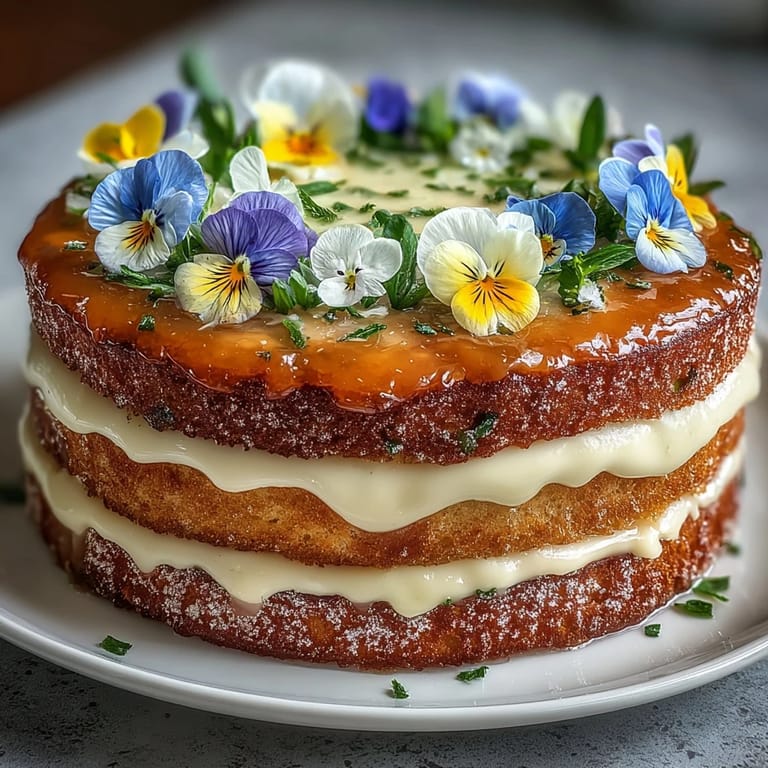
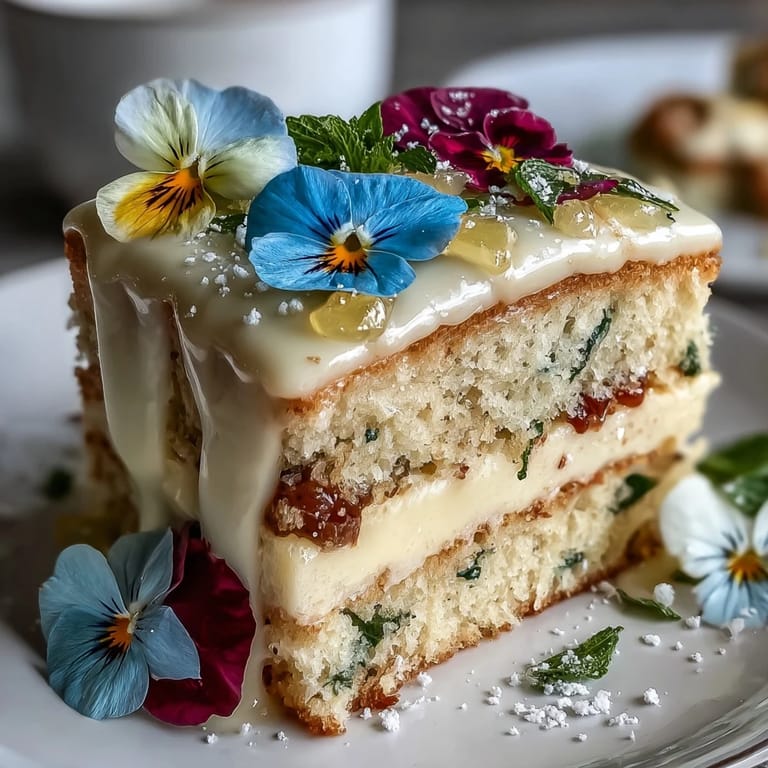
- Place one cooled cake on your plate, spread with lemon curd (it may ooze a bit—embrace it), then position the second layer neatly.
- Cream and Flowers:
- Cover the cake lightly with whipped cream and gently press flowers onto the surface; take your time, arranging them so each petal shines.
- Chill to Finish:
- Slide the cake into the fridge for at least 30 minutes to set the decorations. This gives everything time to meld and makes slicing easier.
 Save
Save One spring evening, after the cake was assembled, I watched as my guests circled the table, hesitant to cut the first slice. Their admiration was half delight and half surprise—the flowers made it feel like a little gift. When we finally served it, laughter and soft forks tapping plates filled the room. The cake turned dessert into a conversation starter. I realized then how food can make moments bloom.
Choosing the Best Edible Flowers
Not all flowers are safe for eating—only select blooms from a trusted source, and avoid anything purchased at a florist or nursery. Organic pansies and violets add vivid color without overpowering flavor, while nasturtiums bring a peppery kick. If you're lucky enough to have rose petals, they’ll add romance and a gentle floral aroma. Press them between parchment and heavy books a day ahead for perfect results. I always inspect petals closely—unnoticed blemishes can distract from the beauty.
Achieving Perfect Lemon Curd
Lemon curd’s silkiness relies heavily on constant whisking; pause for a moment, and the mixture can overcook or turn grainy. Use fresh lemons—bottled juice never captures the tang. Cook the curd till it coats your spoon, then whisk in butter for shine and creaminess. Allow it to cool for a thick, spreadable layer. Patience pays off here; rushing will only leave your curd soupy.
Making Ahead and Last Touches
Cake layers can be wrapped up and stored overnight, which means less stress on party day. If you’re prepping for a crowd, assemble right before guests arrive so the flowers stay vibrant. I’ve learned that serving chilled ensures the decorations stand firm but let it warm slightly for the best cake texture. A quick brush of lemon syrup on the layers before assembling amplifies the citrus notes.
- Always taste your lemon curd before spreading—it’s your moment to adjust sweetness.
- Use an offset spatula to get smooth whipped cream edges.
- Store leftovers in the fridge, tightly covered so flowers don’t wilt.
 Save
Save This Spring Cake is my invitation to share a moment of beauty and flavor with someone you love. Whether it's the flowers, lemon tang, or a roomful of laughter, I hope it brings joyful energy to your table.
Recipe FAQ
- → How do I ensure pressed flowers are safe to use?
Always select organically grown edible flowers confirmed safe for consumption. Avoid pesticide-treated blooms.
- → Can cake layers be prepared in advance?
Cake layers may be baked a day ahead and wrapped at room temperature for convenience.
- → How to intensify lemon flavor?
Brush cake layers with a bit of lemon syrup before assembling for stronger citrus notes.
- → What beverages pair well?
Serve with Earl Grey tea or a sparkling Moscato to complement the floral and citrus elements.
- → Any tips for frosting and decoration?
Lightly frost the cake with whipped cream, then gently press edible flowers for a striking finish.
- → What allergens should I consider?
The cake contains eggs, dairy, and wheat; always check flower sources for safe consumption.